
There is a word in the shíshálh language — the language of the people who have lived on this stretch of the Sunshine Coast since time immemorial — that carries the weight of everything Aaron Joe has built. It means, roughly, to give back what the land has given you.
I have driven past the Salish Soils facility on the road through Sechelt more times than I can count. The white dome structures sit on a ten-acre site with the inlet shimmering behind them, and I always thought: that is a serious operation. What I did not know — until I sat down with the story — was that behind those structures is one of the most remarkable business journeys on the entire Sunshine Coast. And one of the most human ones.
Aaron Joe is a member of the shíshálh Nation. He grew up here, watched the land get cleared and burned, watched the smoke settle into the community's lungs, and made a decision that would take years to fully understand: he was going to do something about it. Not with protest, not with politics — with a business.
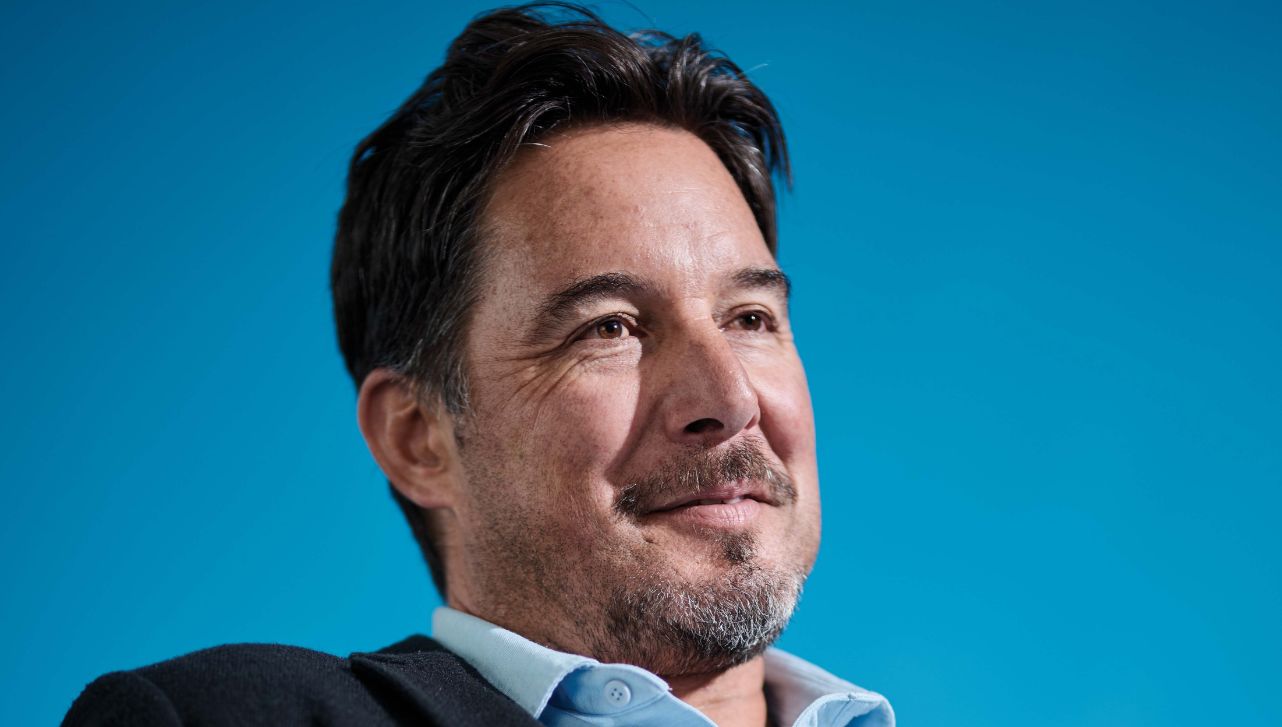
Aaron Joe, Founder & CEO — 2025 EY Entrepreneur of the Year Pacific. Photo: BCBusiness / Adam Blasberg
Starting at Negative Ten Thousand
"Indigenous businesspeople don't necessarily start out at zero," Aaron told Business in Vancouver in 2025. "I think we sometimes start at negative 10,000, and so there's a lot of healing that we must do prior to just getting to zero to be able to start a business."
He said it matter-of-factly, without self-pity. He is close to thirty years removed from his own struggles with substance use — a fact he shares openly because he believes it is part of the story, not separate from it. His entire philosophy of business is built on the idea of second chances: second chances for people, second chances for waste, second chances for the land.
— Advertisement —
The Landfill That Started Everything
In 2009, the Sunshine Coast Regional District sent out a warning: the local landfill was nearing capacity. For most people, this was a bureaucratic notice. For Aaron Joe, it was a call to action.
He had spent years working as a mining contractor, a road builder, a logger — industries that paid well but clashed, increasingly, with the shíshálh teachings he had been raised with. Use only what you need. Respect the land. Never let a life or a resource go to waste. He had watched hundreds of acres of land get cleared on the reserve, the materials windrowed and burned. He had seen what that did to people's health, to their lungs, to the whole community.
The landfill warning was the moment the two halves of his life — the contractor who knew how to build things and the shíshálh man who knew what the land deserved — finally came together. He founded Salish Soils in 2010 with three employees: himself, his wife, and his brother.
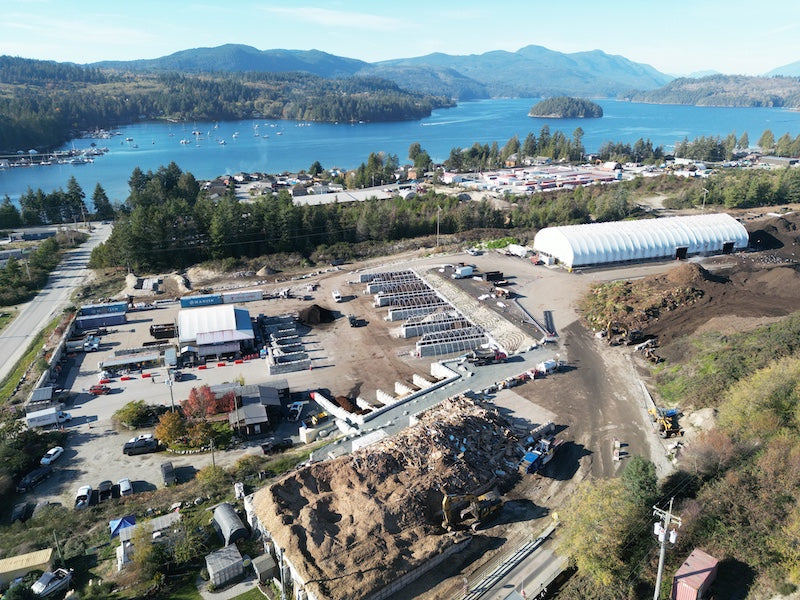
The 10-acre Salish Soils facility in Sechelt, with the shíshálh inlet behind
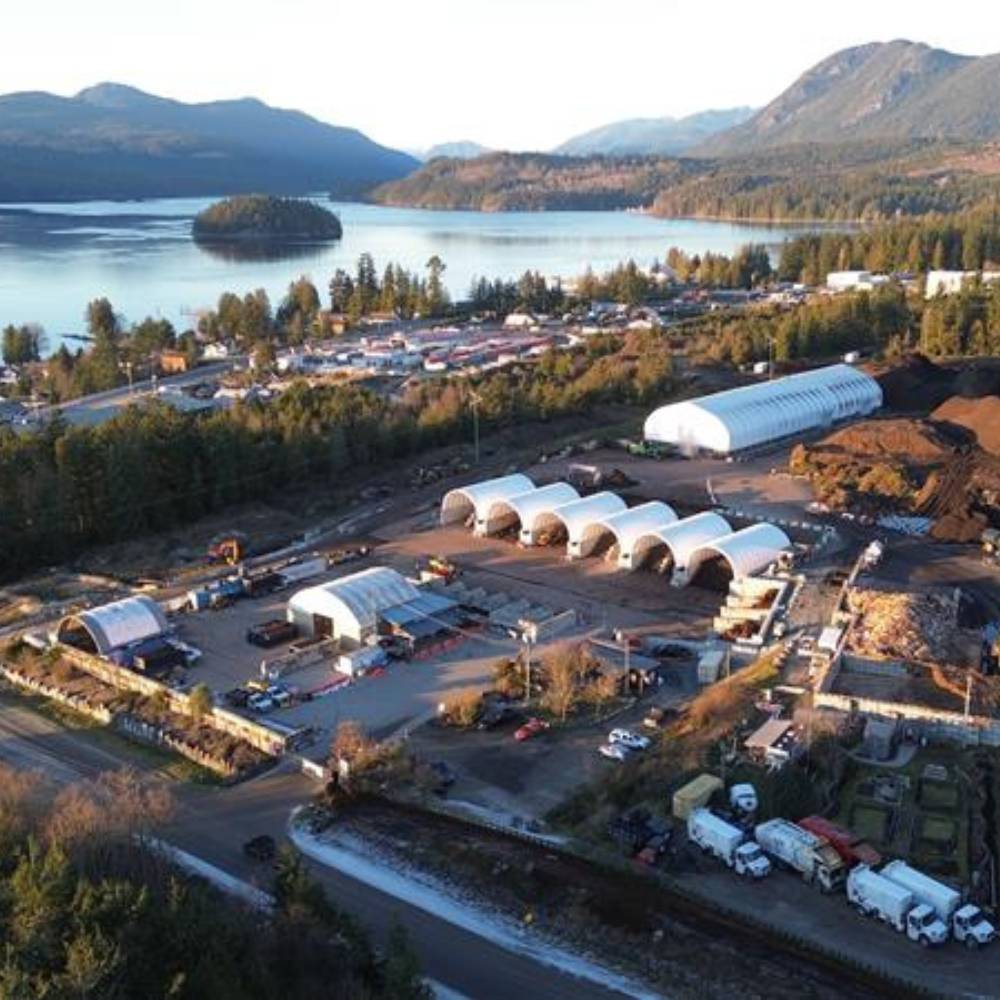
The GORE cover system — German technology that mixes fish scraps and green waste into finished compost
What Salish Soils Actually Does
The simplest description is this: Salish Soils takes things that would otherwise be buried or burned and turns them into something that feeds the earth. Food scraps, fish scraps, biosolids, wood waste, green waste — more than 20,000 tonnes of it every year — go into the facility and come out the other side as high-quality soil, compost, mulch, and aggregates.
The key technology is the GORE cover system, a German-engineered process that Aaron piloted early on. He remembers the first time he saw it work: fish scraps and ground green waste going in, and finished soil coming out. "It just was so inspiring to be able to see that waste turn into soil," he said. That moment — the aha moment, as he calls it — is still the engine of everything.
Today, Salish Soils holds close to 30 municipal contracts, including with the Sunshine Coast Regional District, the Town of Gibsons, and the City of Powell River. The company has 36 full-time employees. In 2022, Raven Indigenous Capital Partners invested $2.5 million to improve efficiencies and expand operations. The finished compost goes to land reclamation, forest replenishment, and local food production — closing a loop that most waste management companies never even attempt.
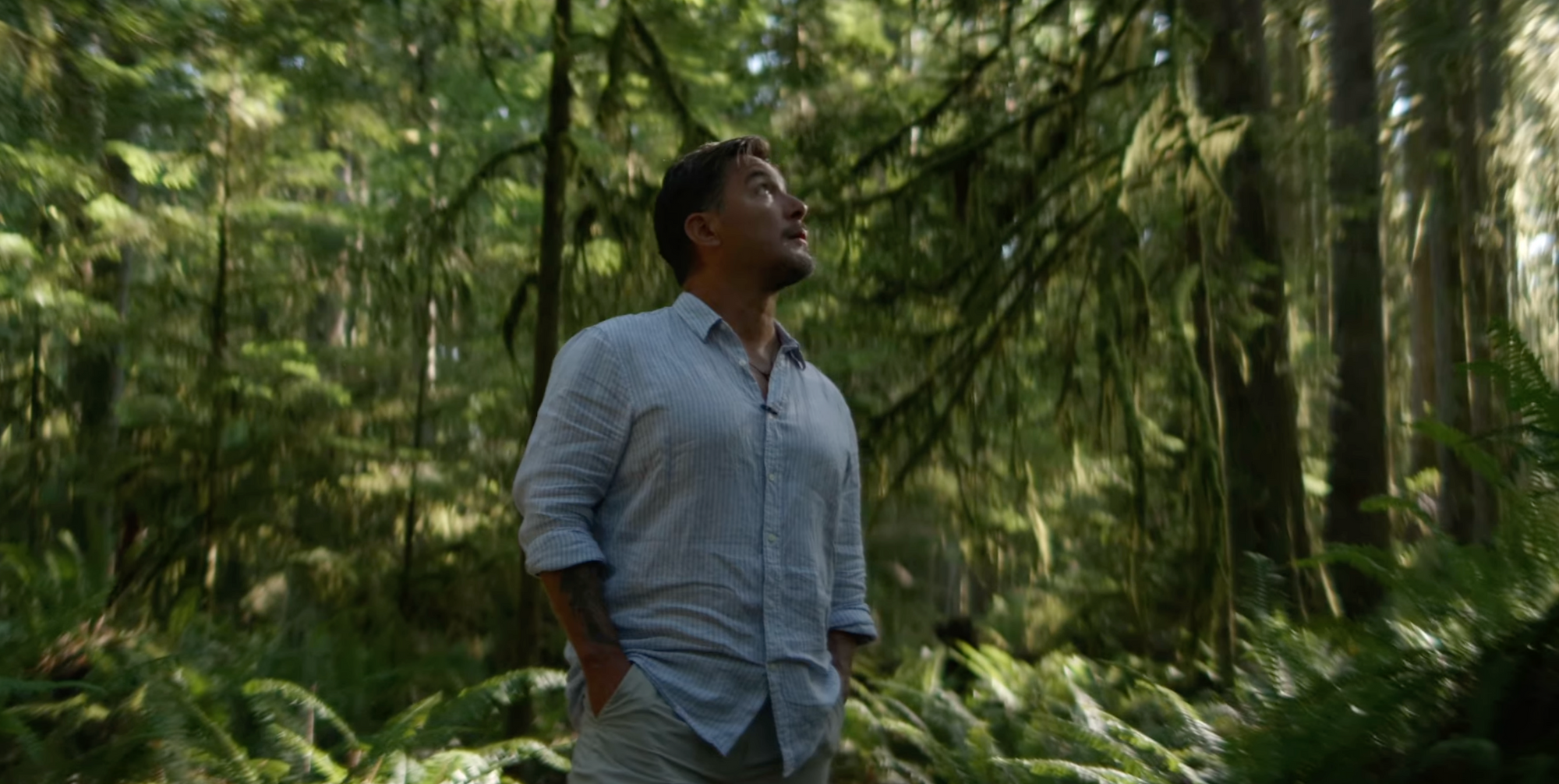
Aaron Joe in old-growth forest on shíshálh territory — "Guided by tradition, driven by innovation." Photo: Salish Soils
— Advertisement —
Swiya Farms — Closing the Loop on Food
In 2022, the same year Raven Capital came in, Aaron started developing a seven-acre community farm near Sechelt Hospital. He called it Swiya Farms. The name comes from the shíshálh word for "our land."
Swiya Farms is a nonprofit. It partners with Vancouver Coastal Health to provide fresh produce for patient care, and it delivers boxes to Elders and the local food bank. The compost from Salish Soils goes directly into the farm's soil — a literal closed loop from waste to food. In a community surrounded by water and dependent on imports, Aaron sees Swiya as proof that local businesses can rebuild what industrial agriculture dismantled.
When BCBusiness asked him what he does after work, his answer was two words: "On my farm." That is the whole story, really.
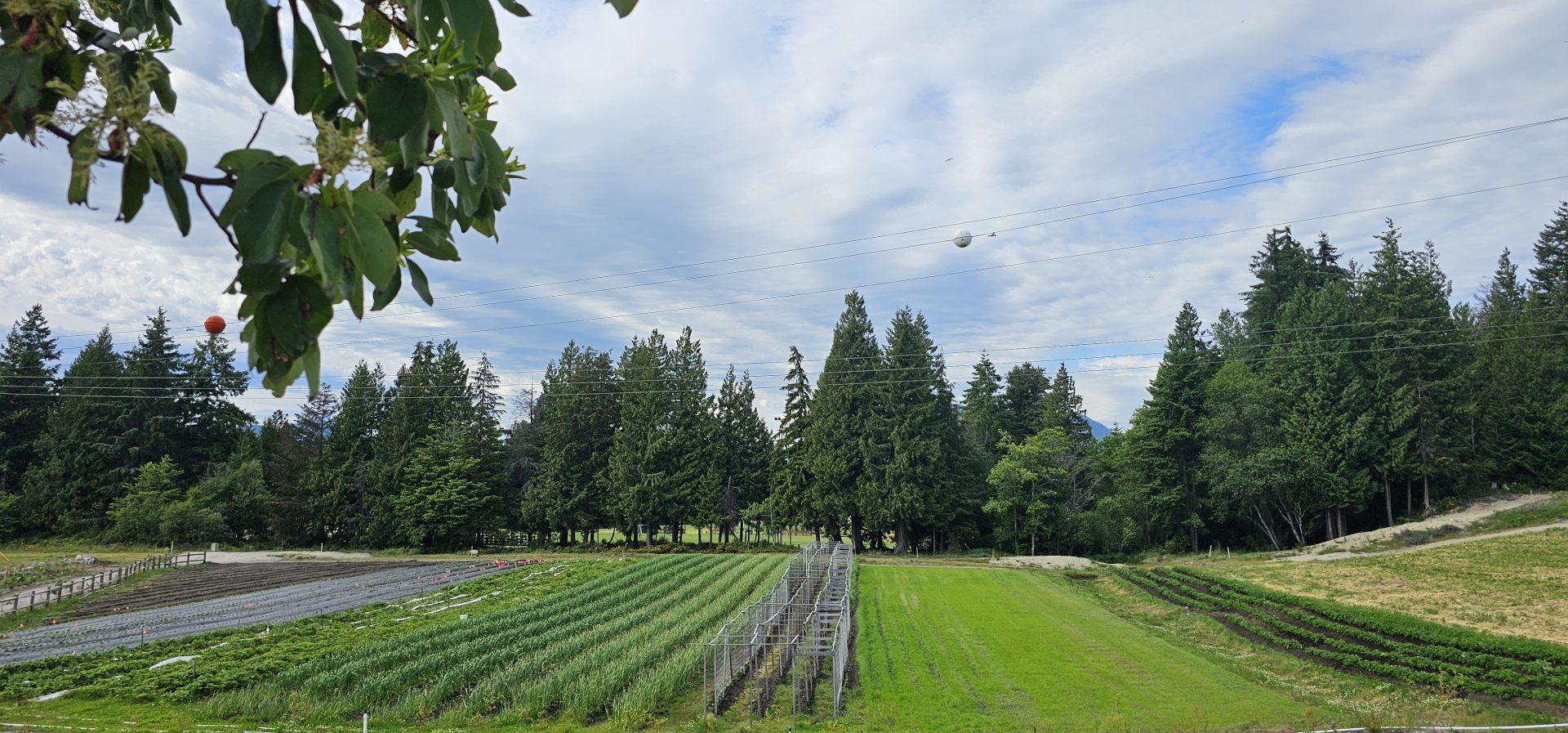
Swiya Farms — seven acres near Sechelt Hospital, feeding patients and Elders
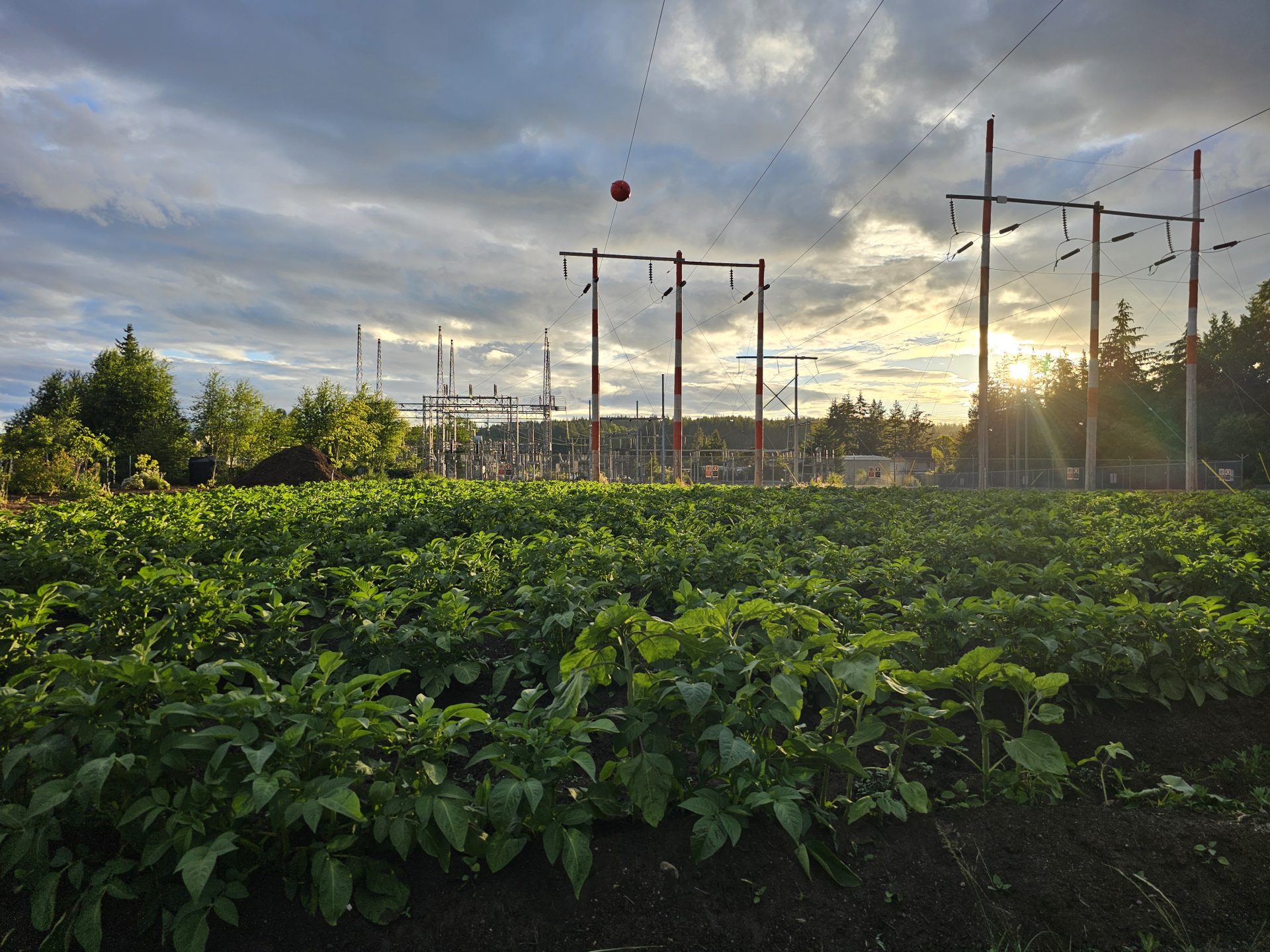
Lush rows of produce grown in Salish Soils compost
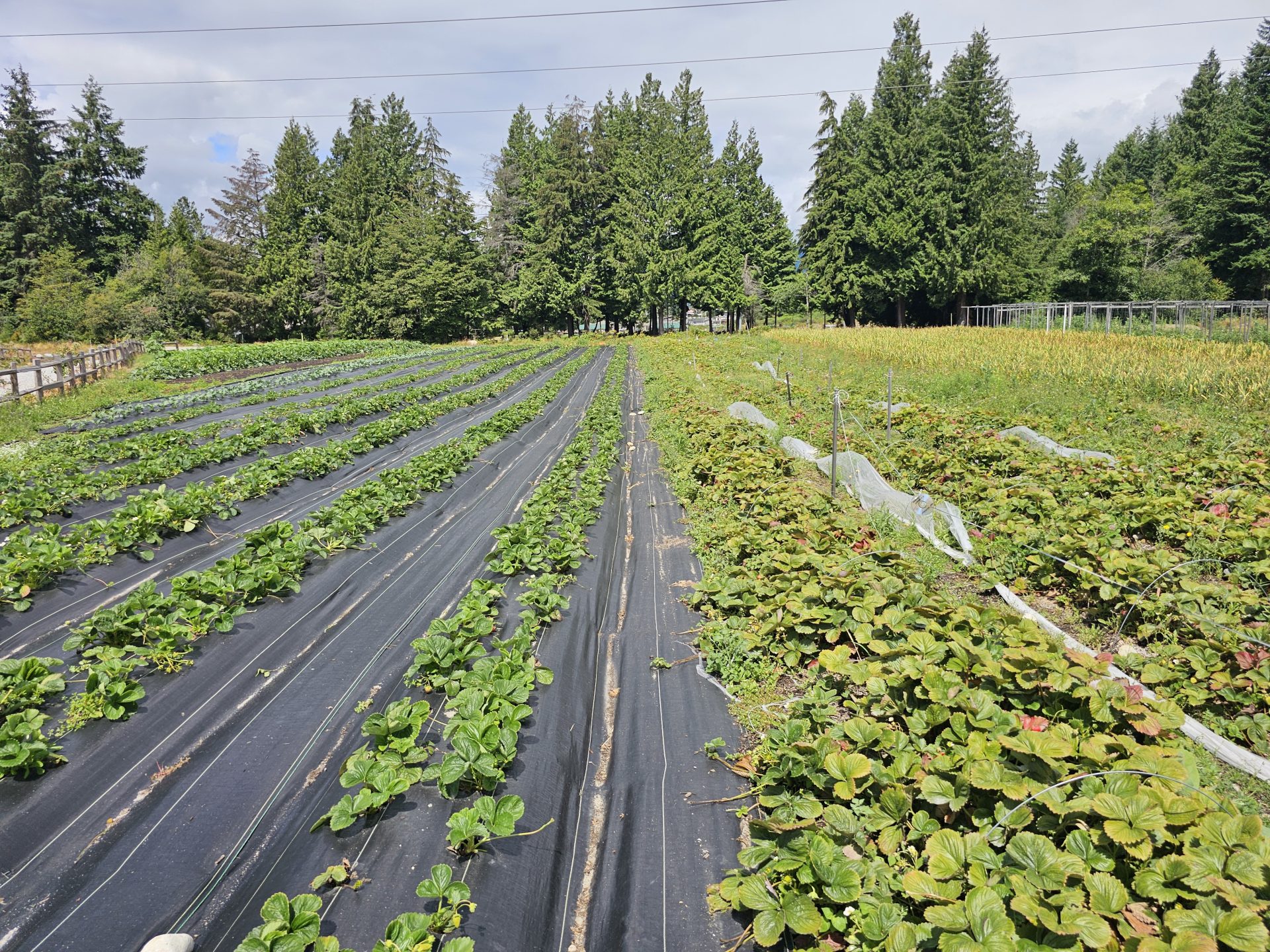
Strawberry rows at Swiya Farms — from waste to food, the loop closed
Recognition & Awards
— Advertisement —
Gerald's Take
I have lived on the Sunshine Coast long enough to know that the land here does not forgive carelessness. The shíshálh have known that for thousands of years. What Aaron Joe has done — and what makes Salish Soils genuinely extraordinary — is translate that ancient knowledge into a business model that works in the twenty-first century. He did not compromise one for the other. He built something that honours both.
The 2026 Indspire Award is the highest honour Indigenous communities bestow on their own achievers. Aaron's response when he heard the news was characteristic: "This award belongs to our Nation, to our broader community, and the environment in which we thrive." He did not say it belongs to him. He never does.
If you drive through Sechelt and see those white domes by the inlet, pull over for a moment. What is happening inside them is not just composting. It is a community healing itself, one tonne of waste at a time.
Just Gerald Scorecard
"Salish Soils is not just a business. It is a community healing project, a land restoration programme, and a proof of concept for what Indigenous enterprise can look like when it is built on values rather than extracted from them."
Visit Salish Soils
Based in Sechelt, BC. Municipal and residential green waste drop-off available. Products include compost, soil, mulch, and aggregates.
Share this article