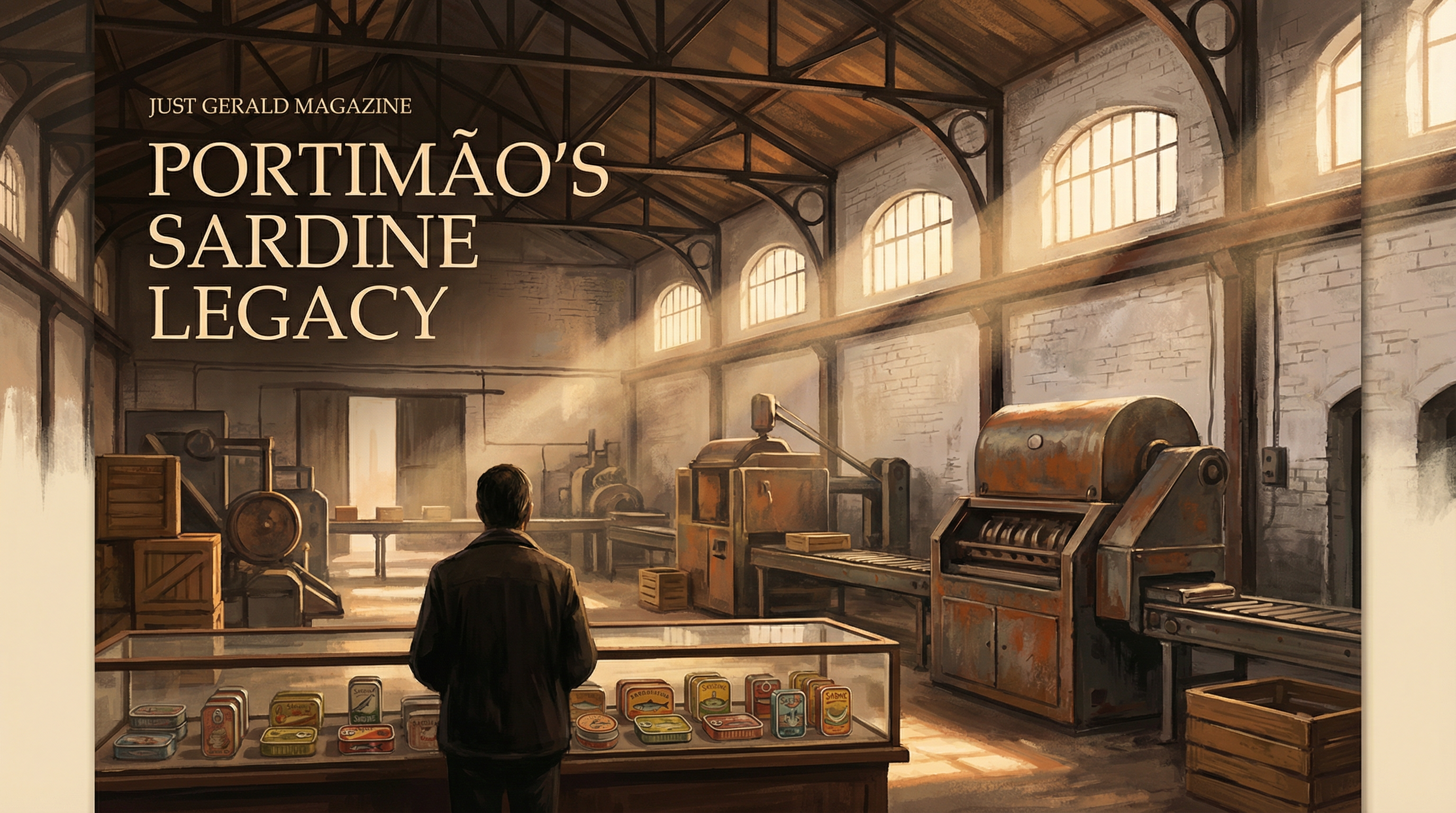
THE TIN THAT BUILT A CITY
How the humble sardine turned Portimao into an industrial powerhouse -- and what remains
Field Notes
In 1891, two sardine canneries opened on the banks of the Rio Arade in Portimao. They were called Liberdade and Sao Jose, and they were the beginning of something that would define this city for the next ninety years.
01
THE FACTORY THAT CHANGED EVERYTHING
By 1905, there were twenty-three canning factories operating along the Algarve coast. By the 1920s, Portimao was one of the most productive fishing ports in Europe. The sardine -- small, oily, abundant -- had turned a quiet riverside town into an industrial city.
The work was done almost entirely by women. They were called the varinas, the fish workers, and they arrived at the factories before dawn to clean, salt, and pack the sardines that the boats brought in overnight. They worked standing at long metal tables, their hands moving with a speed and precision that visitors found astonishing. A skilled varina could clean and pack a sardine in under three seconds. On a good day, a factory might process fifty thousand fish.
"A skilled varina could clean and pack a sardine in under three seconds. On a good day, a factory might process fifty thousand fish."
ADVERTISEMENT
JUST GERALD MAGAZINE
Coffee 'til Cocktails — Bottled and Bound
02
THE MUSEUM IN THE OLD CANNERY
The last sardine cannery in Portimao closed in 1981. The Feu Hermanos factory, one of the oldest and largest, sat empty on the riverbank for twenty years before the city decided to do something unusual with it: turn it into a museum without removing anything.
The Museu de Portimao opened in 2008 and it is, without question, one of the best small museums in Portugal. The canning machinery is still in place -- the conveyor belts, the sealing presses, the sterilisation tanks -- and the museum has built its interpretation around it rather than replacing it. You walk through the factory floor as it was, with the machines frozen mid-process, and the effect is genuinely eerie. It feels less like a museum and more like a crime scene.
The exhibition begins with a 1946 film showing the full canning process from catch to tin. It is eleven minutes long and completely hypnotic. By the end of it you will understand, in a way that no amount of reading can convey, what it meant to work in one of these factories.
JUST GERALD SAYS
03
THE SARDINE TODAY
The sardine did not disappear when the factories closed. It simply changed form. Today, Portimao celebrates its sardine heritage with an annual Sardine Festival in August -- one of the largest in Portugal -- where the entire city smells of charcoal and the streets are lined with grills. The sardines are served the traditional way: whole, on a piece of bread to catch the juices, with a glass of cold Sagres.
The best place to eat sardines in Portimao is not a restaurant. It is any of the small tascas along the harbour front where the fishermen still bring their catch in the morning. Order the sardinhas assadas -- grilled sardines -- and ask for them with batatas cozidas (boiled potatoes) and a salad. The price will be less than you expect. The quality will be more than you deserve.
THE VERDICT
Visit the Museu de Portimao on a weekday morning. Allow two hours. Watch the 1946 film twice. Then walk to the harbour and eat sardines. This is the correct order of operations.
Keep Reading
MORE FROM PORTUGAL
EAT THE ALGARVE
From grilled sardines on the harbour to the best cataplana in the region…
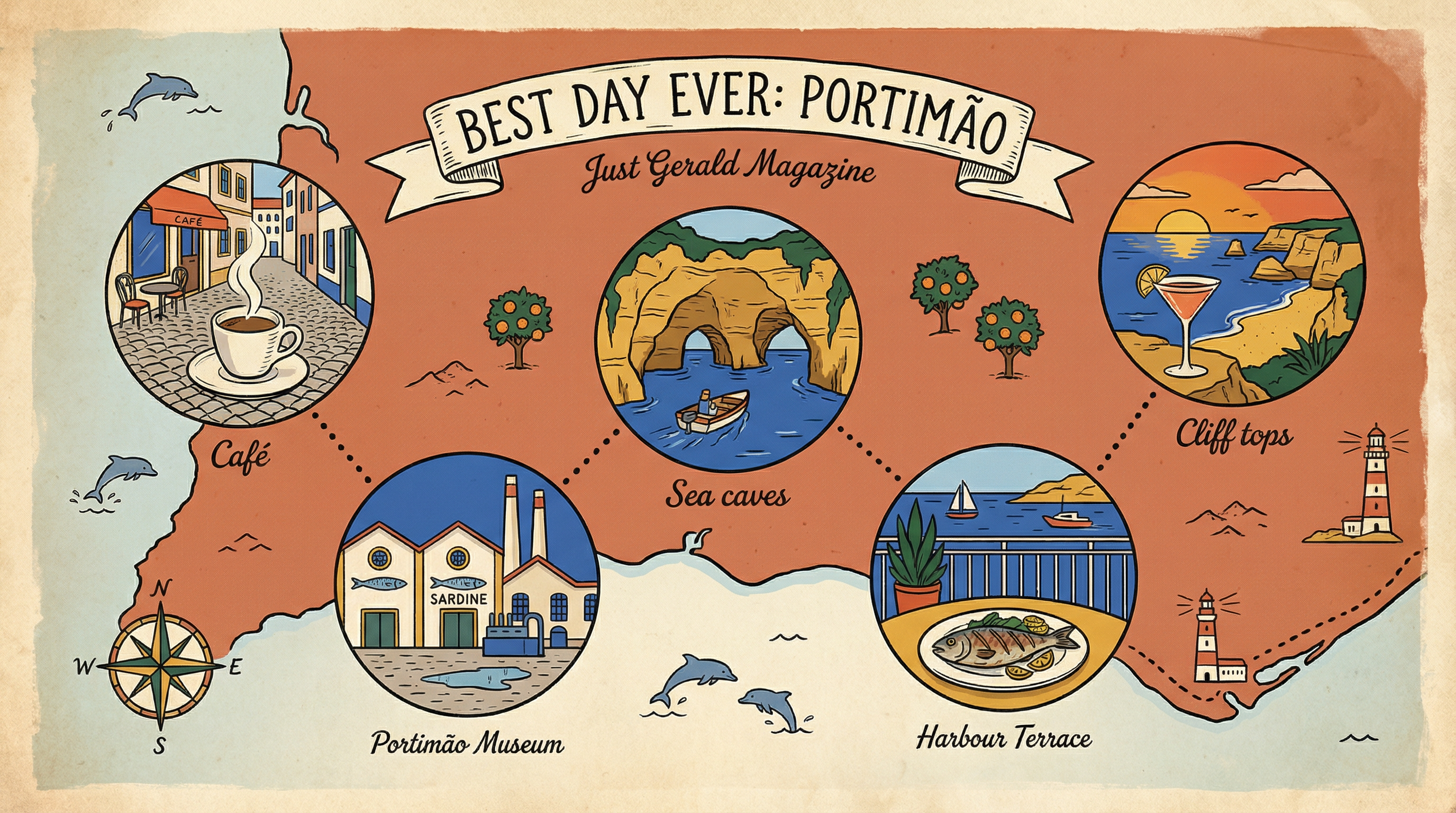
BEST DAY EVER: PORTIMAO
From the first bica to the last medronho -- a complete day in Portimao, done pro…
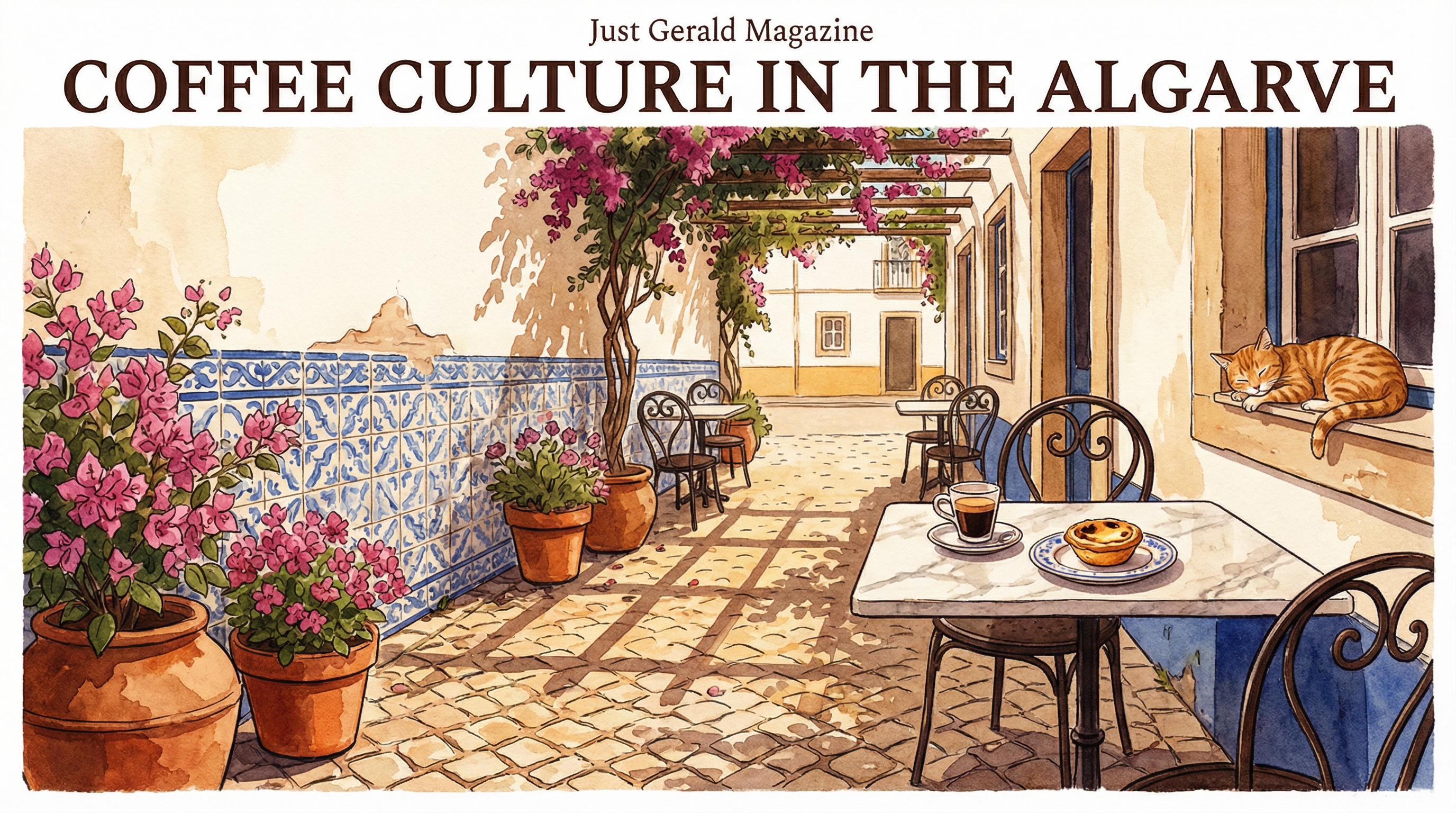
THE BICA: A FIELD GUIDE
On the Portuguese espresso, the pastelaria ritual, and why the Algarve does coff…