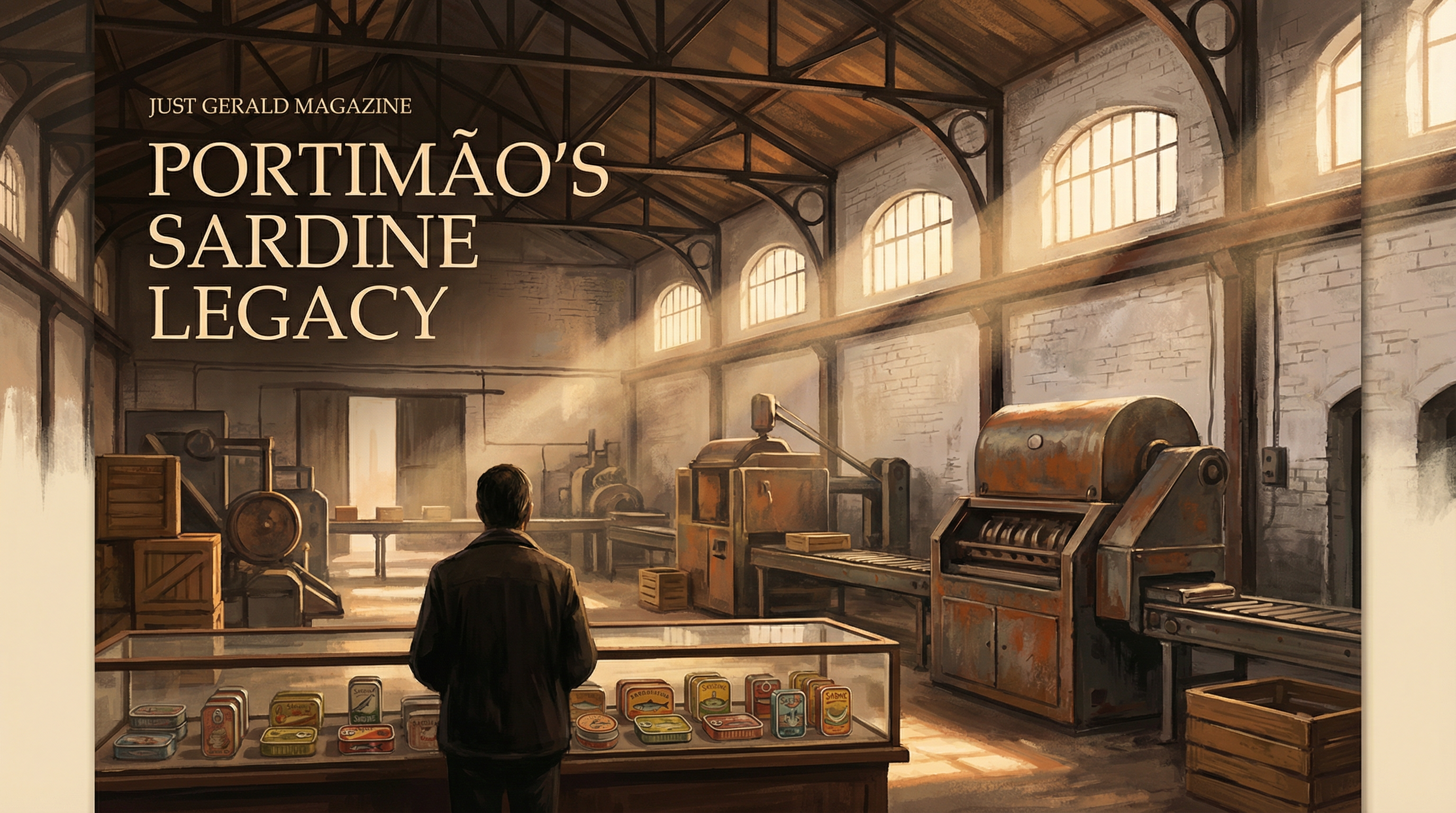
EAT THE ALGARVE
From grilled sardines on the harbour to the best cataplana in the region
Field Notes
The cataplana is the defining dish of the Algarve, and it is named after the copper clam-shaped vessel in which it is cooked. The vessel is sealed and placed over heat, creating a steam environment that concentrates the flavours of whatever is inside.
01
THE CATAPLANA: START HERE
Typically the vessel contains clams, prawns, chorizo, tomato, onion, garlic, and white wine, though the variations are endless. The result is a broth of extraordinary depth and a collection of seafood that has been cooked to exactly the right point: the clams open, the prawns are just firm, the chorizo has released its fat into the sauce. It is served at the table in the cataplana itself, which is opened with a flourish that is entirely justified by what is inside.
The best cataplana in Portimao is at Avô Casimiro, a family restaurant in the old town that has been serving the same menu for thirty years. The cataplana de marisco -- seafood cataplana -- is the thing to order. It serves two, it takes twenty minutes to prepare, and it is the best thing you will eat in the Algarve.
"The cataplana de marisco serves two, takes twenty minutes to prepare, and is the best thing you will eat in the Algarve."
ADVERTISEMENT
JUST GERALD MAGAZINE
Coffee 'til Cocktails — Bottled and Bound
02
AVÔ CASIMIRO: THE ESSENTIAL
Avô Casimiro translates as 'Grandfather Casimiro,' and the restaurant has the atmosphere of a place that has been feeding the same families for generations. The decor is simple -- tiled walls, wooden tables, fishing nets on the ceiling -- and the menu is focused on the kind of traditional Algarvian cooking that has largely disappeared from the tourist restaurants along the coast.
Beyond the cataplana, the arroz de linguado (sole rice) is exceptional -- a wet, soupy rice cooked with whole sole and finished with olive oil and coriander. The bacalhau a bras (salt cod with eggs and potato crisps) is the best version of this dish we have eaten outside of Lisbon.
JUST GERALD SAYS
03
THE HARBOUR RESTAURANTS
The restaurants along the Portimao harbour front vary enormously in quality, and the tourist menus in English are generally a reliable indicator of what to avoid. The rule is simple: if there is a photograph of the food on the menu, keep walking.
The exceptions are the small tascas at the eastern end of the harbour, near the fish market, where the menus are in Portuguese and the fish was swimming this morning. Order the peixe grelhado -- grilled fish -- and ask what is fresh. The answer will be whatever the boats brought in that morning, and it will be cooked simply: whole fish on a charcoal grill, served with boiled potatoes, salad, and olive oil.
— ADVERTISEMENT —
04
THE SARDINE FESTIVAL
If you are in Portimao in August, the Sardine Festival is not optional. It runs for three days in the city centre, with grills set up on every street corner and the smell of charcoal and sardines permeating the entire city. The sardines are sold by the dozen, served on bread, with cold beer. The crowds are enormous. The atmosphere is genuinely festive in a way that is not manufactured for tourists.
The festival has been running for decades and it is, at its core, a celebration of the city's fishing heritage. It is also, more practically, an opportunity to eat very good sardines for very little money while standing in the street with several thousand other people who are doing the same thing.
THE VERDICT
Eat at Avô Casimiro on your first night. Order the cataplana de marisco. Book in advance. On your second night, find a harbour tasca with no English menu and order the grilled fish. These two meals will define your understanding of Algarvian cooking.
Keep Reading
MORE FROM PORTUGAL
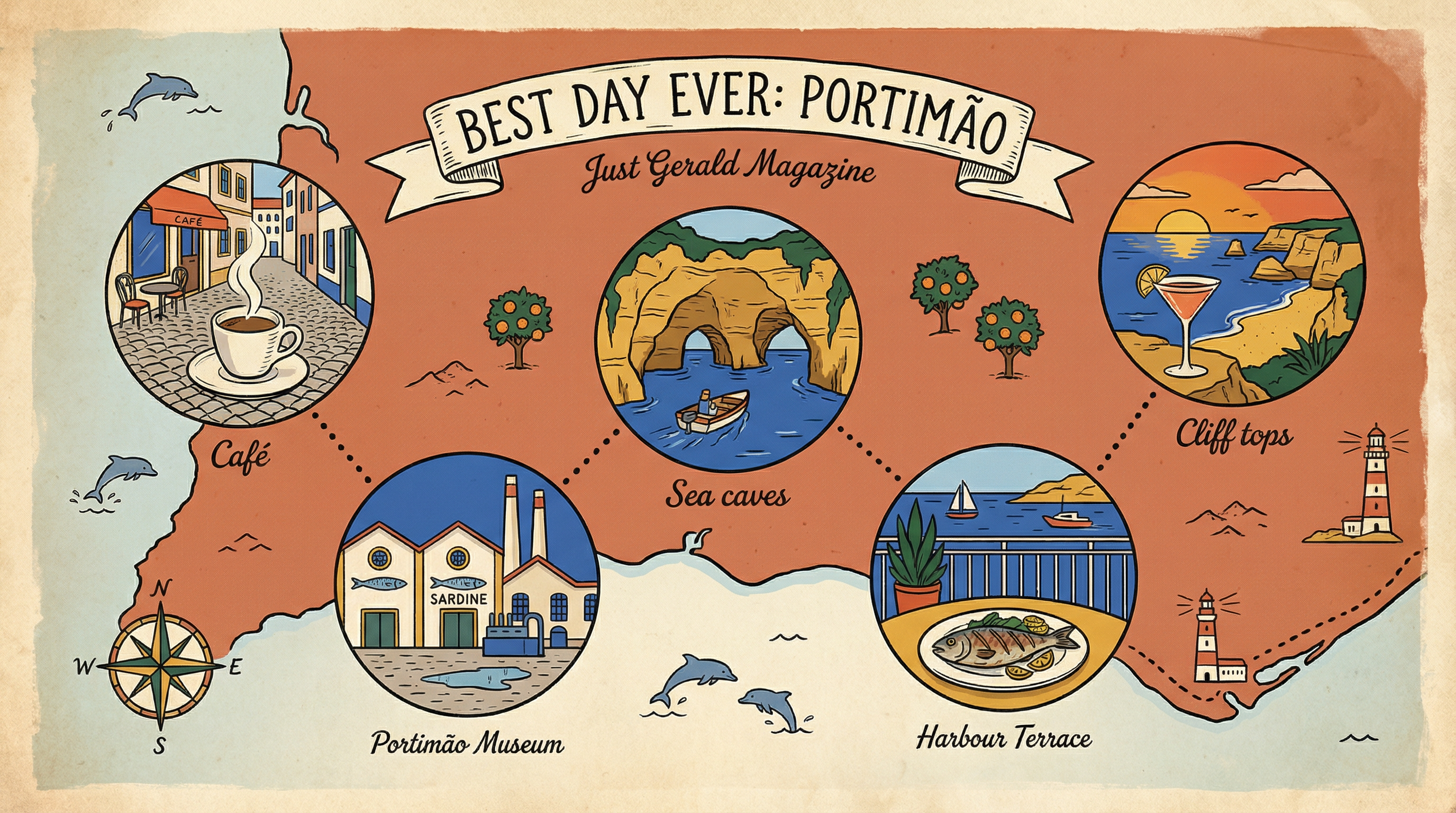
BEST DAY EVER: PORTIMAO
From the first bica to the last medronho -- a complete day in Portimao, done pro…
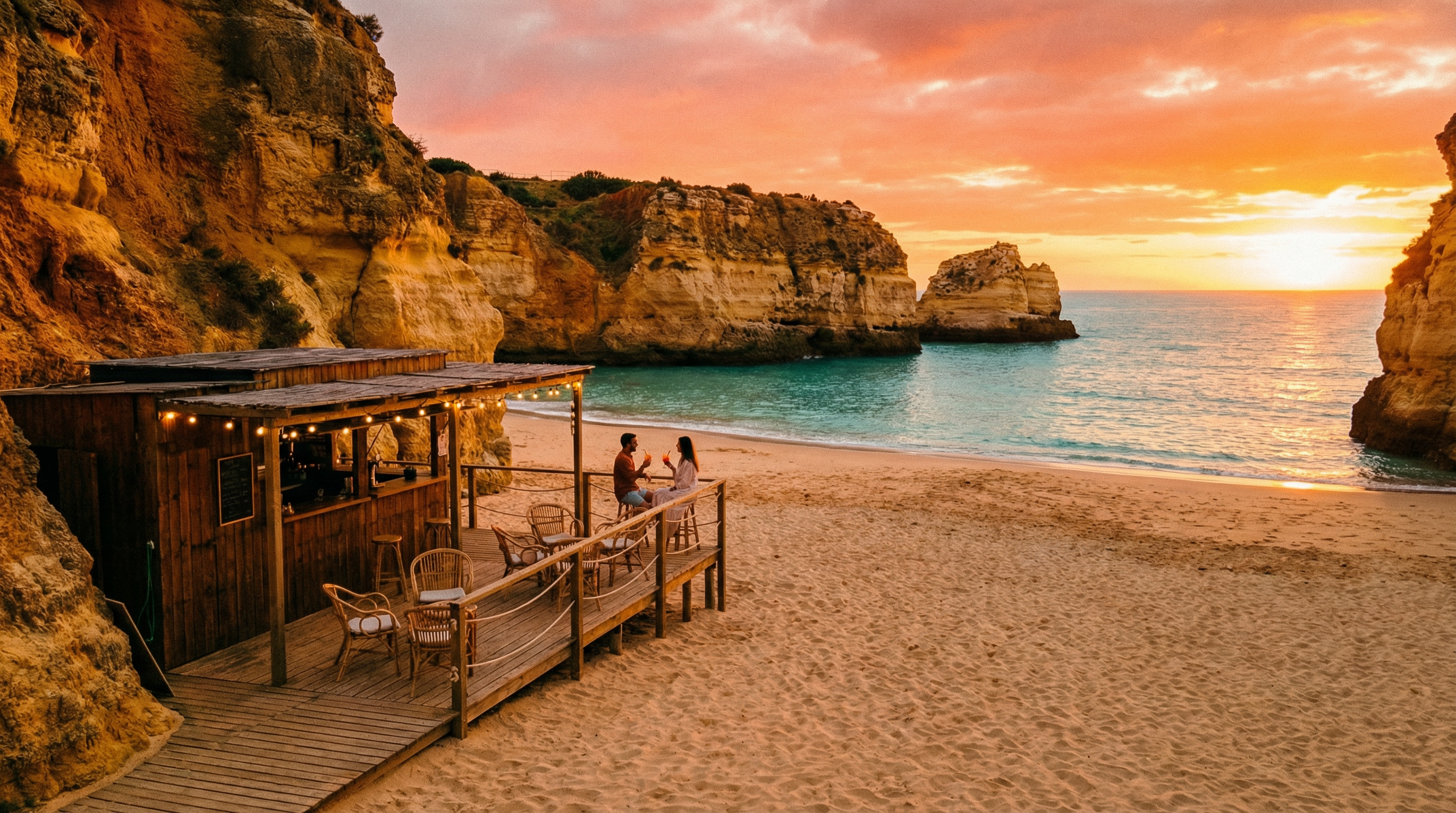
SUNSET AT THE EDGE OF EUROPE
The best places to drink in Portimao -- from clifftop bars to harbour tascas…
THE TIN THAT BUILT A CITY
How the humble sardine turned Portimao into an industrial powerhouse -- and what…