Share This
Spread the word
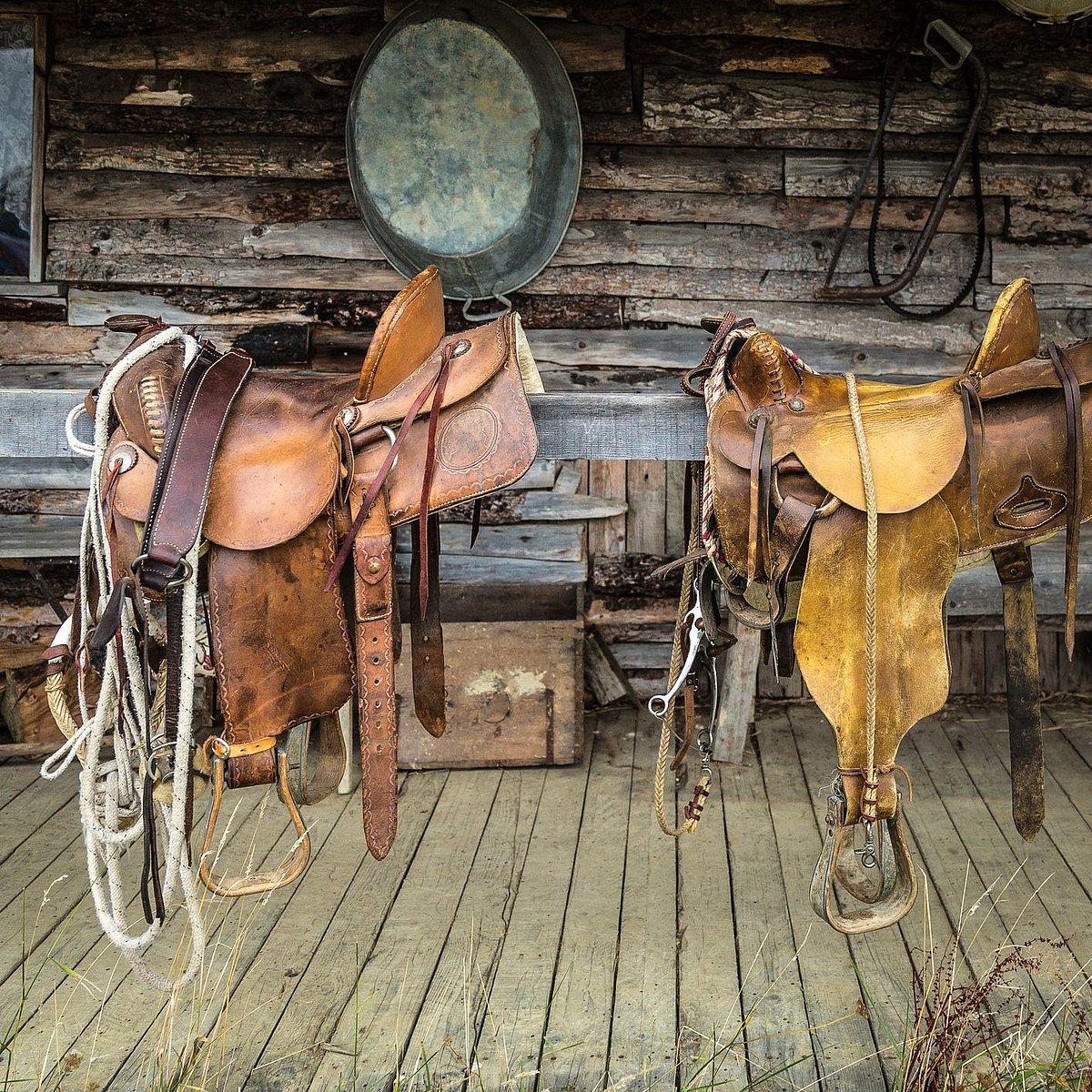
There is a city in northern India where the art of making saddles has been passed down, hand to hand, generation to generation, for more than a hundred years. That city is Kanpur. And at the heart of its ancient leather district of Jajmau, Nadeem runs Saddlery Masters — a workshop that ships its craft to riders in Germany, the United States, the United Kingdom, France, and Australia, without fanfare, without a flagship store, and without compromising a single stitch.
Kanpur is the only city in India that produces harness and saddlery goods. That is not a boast — it is a fact recorded by the Council for Leather Exports, the Government of India's own trade body. The craft arrived here in the 19th century when the British Indian Corporation and the Ordnance Equipment Factory brought master saddlers from England to train local artisans. Those artisans trained their children. Their children trained theirs. The knowledge never left Jajmau.
Today, India is the third largest exporter of saddlery and harness in the world — behind only China and Germany — accounting for roughly 9% of global trade in a market worth over US$1.2 billion. Kanpur produces almost all of it. And within Kanpur's network of workshops and export houses, Saddlery Masters stands as one of the most complete operations: English saddles, German harness, breastplate harness, collar harness, English halters, leather halters, horse rugs, stirrup leathers, bridles, girths, and a full range of pet accessories — all made to export standard, all shipped worldwide.
Nadeem has been a friend for years. When I think about what "Made in India" means at its best — not the label, but the reality — I think about a workshop like his. Skilled hands. Deep knowledge. A product that competes with the finest European manufacturers, at a fraction of the price, with none of the ego.
Kanpur: Leather Capital of the World
Jajmau, the ancient suburb where Saddlery Masters operates, sits on the eastern bank of the Ganges and is one of the oldest continuously inhabited sites in all of Kanpur. Archaeologists have found evidence of human settlement here dating back 3,000 years. The leather industry arrived in the colonial era and never left.
The first leather factory in Jajmau opened in 1902. By the late 19th century, the British had already established the Ordnance Equipment Factory in Kanpur to supply the Indian Army with saddles, harness, and military leather goods. The master saddlers they brought from England to run it taught their techniques to local craftsmen — and those techniques became the foundation of an entire industry.
Kanpur's advantage is its vegetable-tanned buffalo hide — a material prized by equestrian manufacturers worldwide for its durability, flexibility, and the way it ages with use. No other city in India has the combination of raw material, trained workforce, and export infrastructure that Kanpur has built over 120 years.
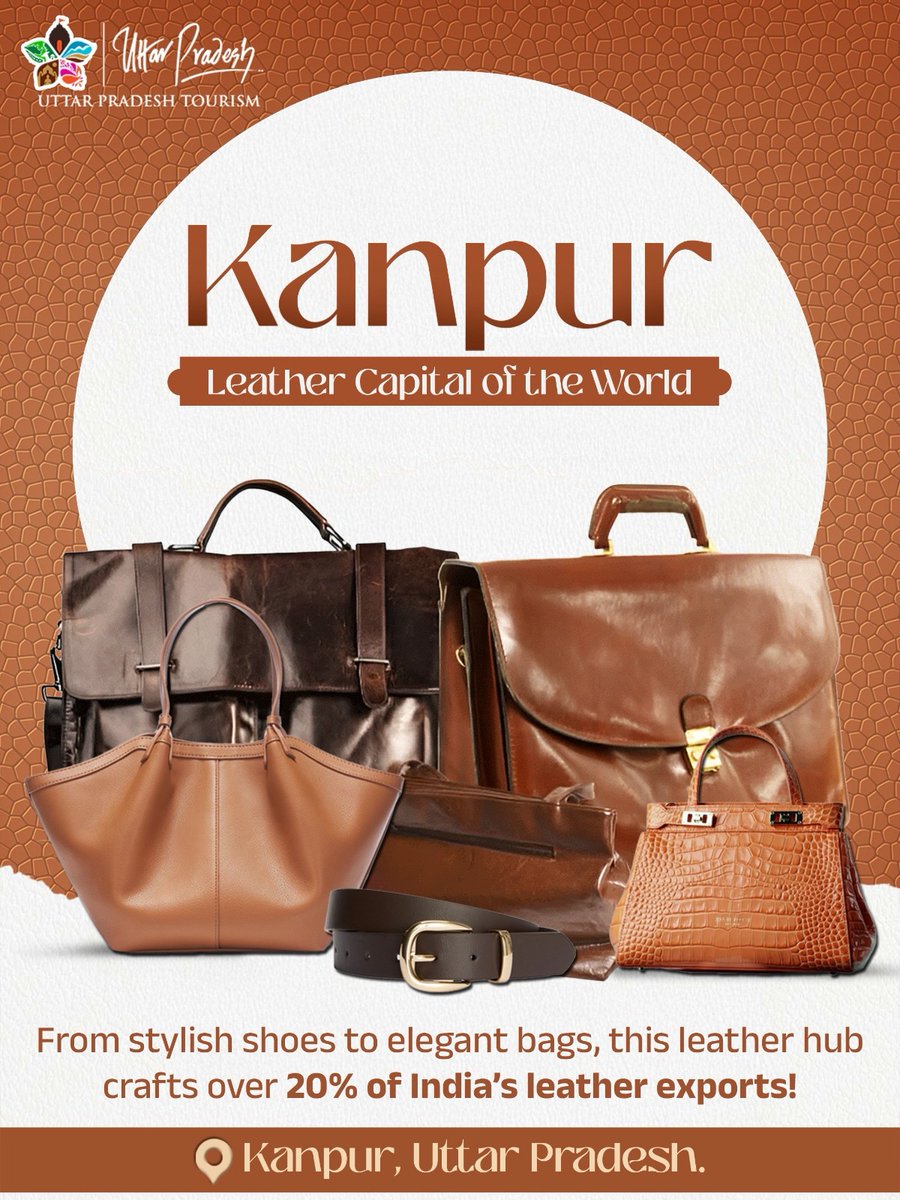
Kanpur crafts over 20% of India's leather exports — shoes, bags, saddles, and harness shipped to buyers worldwide.
What Saddlery Masters Makes
English Saddles
The flagship product. Built on vegetable-tanned buffalo leather with hand-filled panels, available in sizes from 14×15 to 20×21 inches. Weights from 0–25 lbs. Abrasion-resistant finish. Exported primarily to Germany, the UK, and Australia.
German Harness
Precision-stitched harness sets built to German equestrian standards. The most technically demanding product in the range — every piece cut, punched, and assembled by hand to tolerances that European buyers specify.
Breastplate Harness
Full breastplate sets for driving and ceremonial use. Kanpur's speciality — the craft of making complex multi-piece harness was brought here by British military saddlers and has been refined over four generations.
Bridles & Halters
English bridles, collar harness halters, leather halters in both traditional and anatomical designs. Exported to North America, Europe, and Australasia. Available in dark brown, natural, and custom colours.
Horse Rugs
Turnout and stable rugs. One of the most volume-intensive export categories — Saddlery Masters ships to buyers across the UK and Northern Europe where the climate demands year-round rug use.
Pet Accessories
Nylon dog collars, pet grooming tools, nylon halters, horse girths, and pet collar straps. A growing category as the global pet accessories market expands — and a natural extension of the leather and nylon expertise already in the workshop.
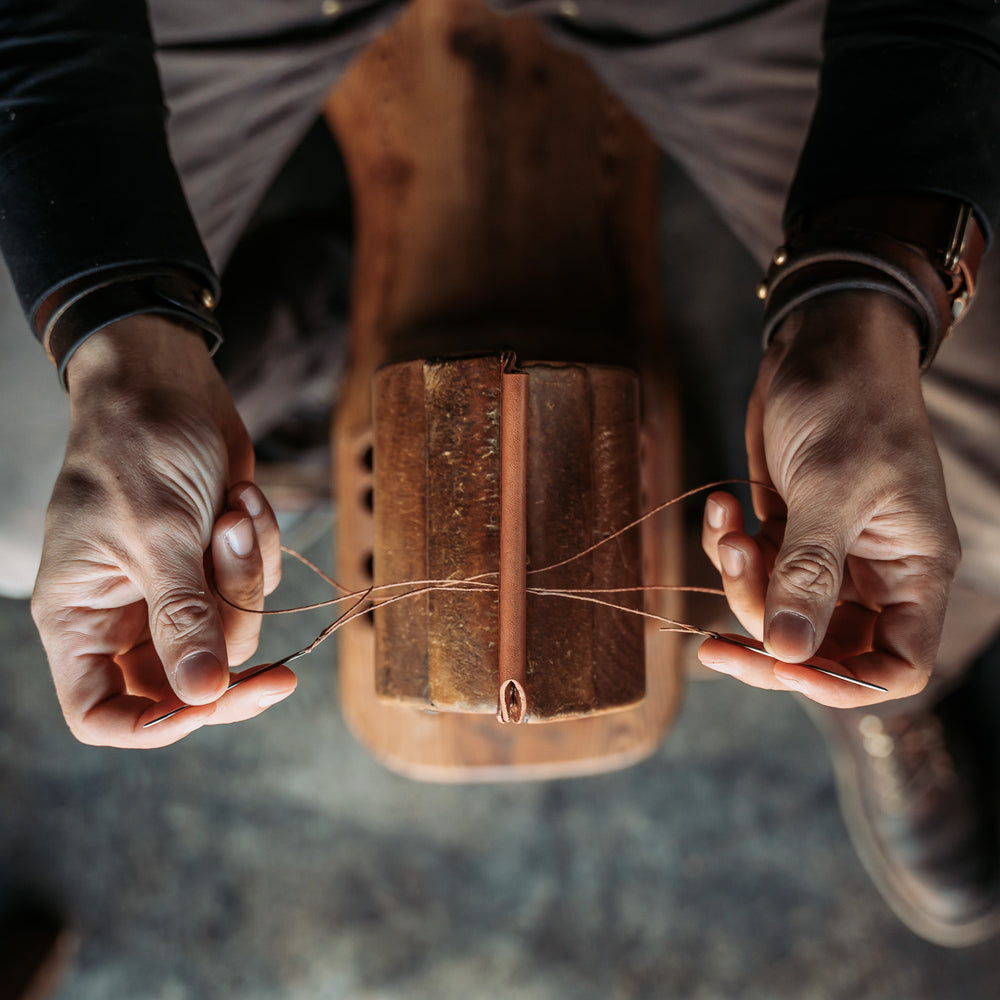
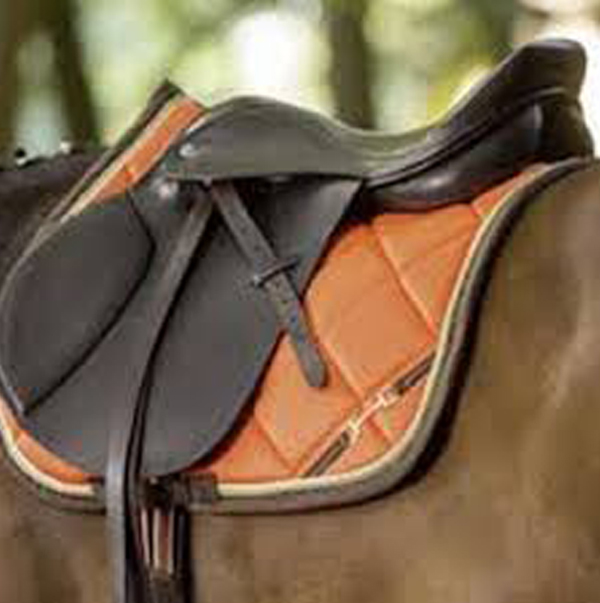
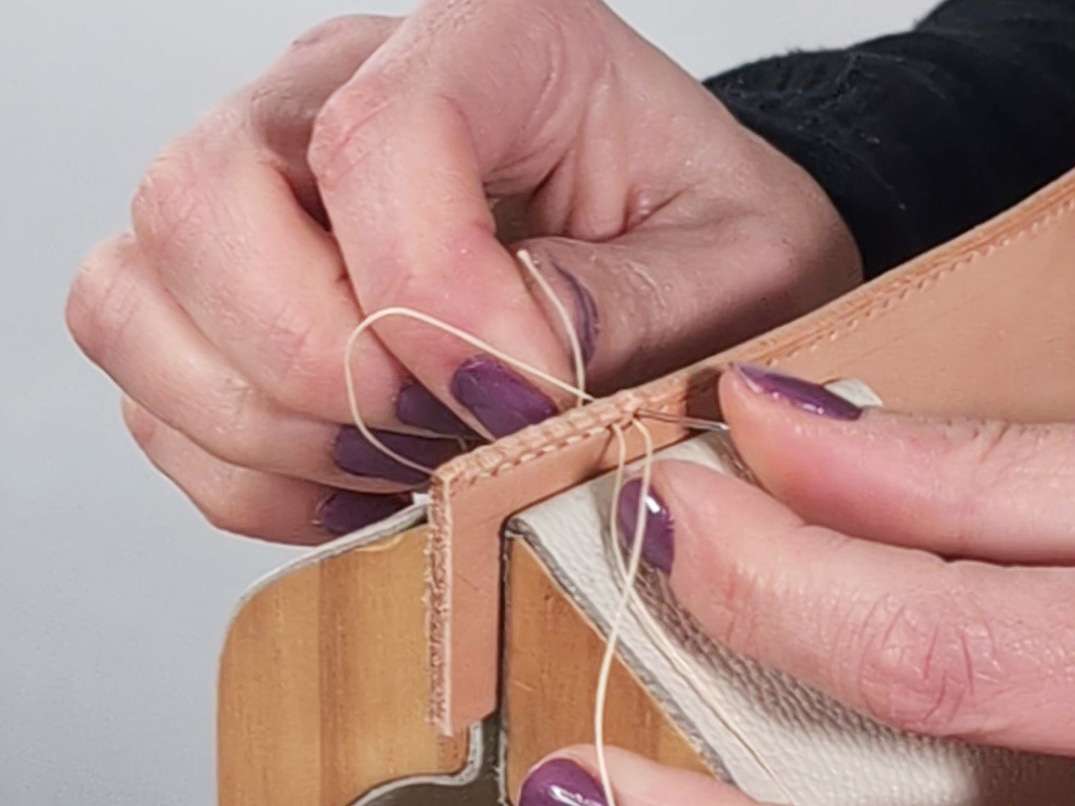
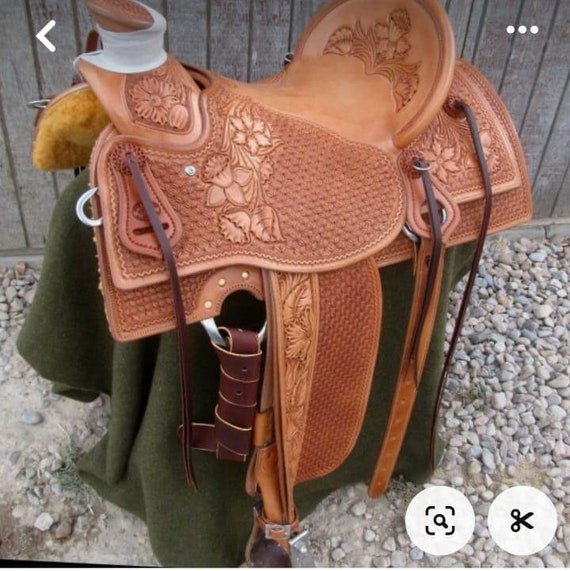
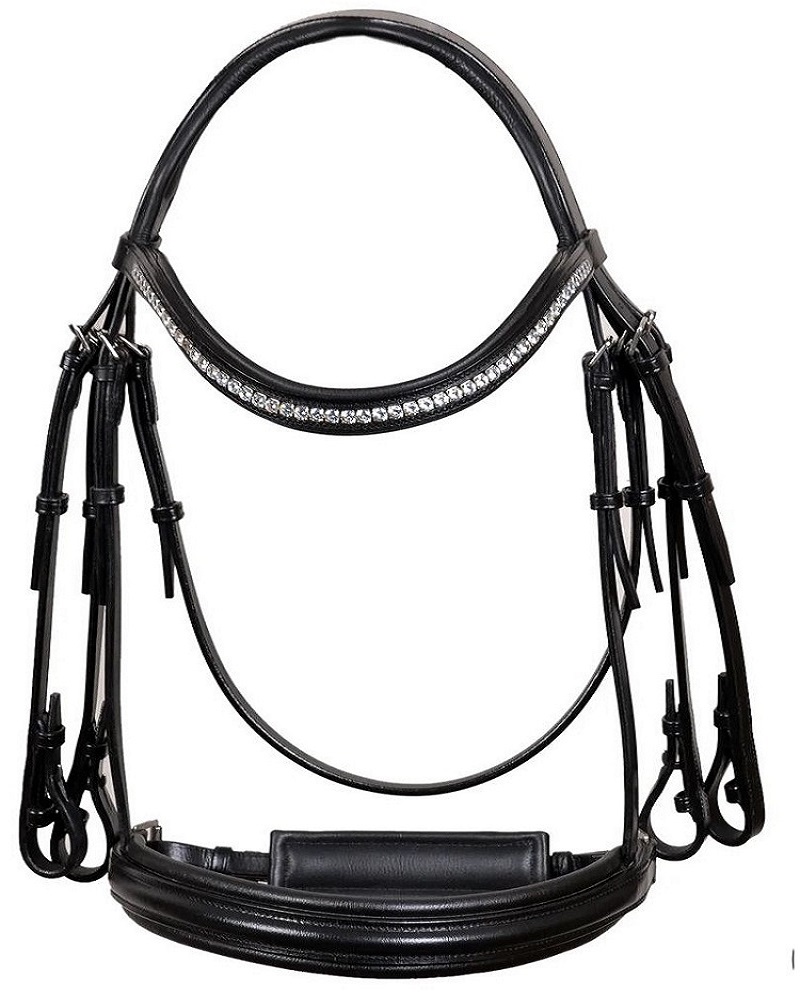
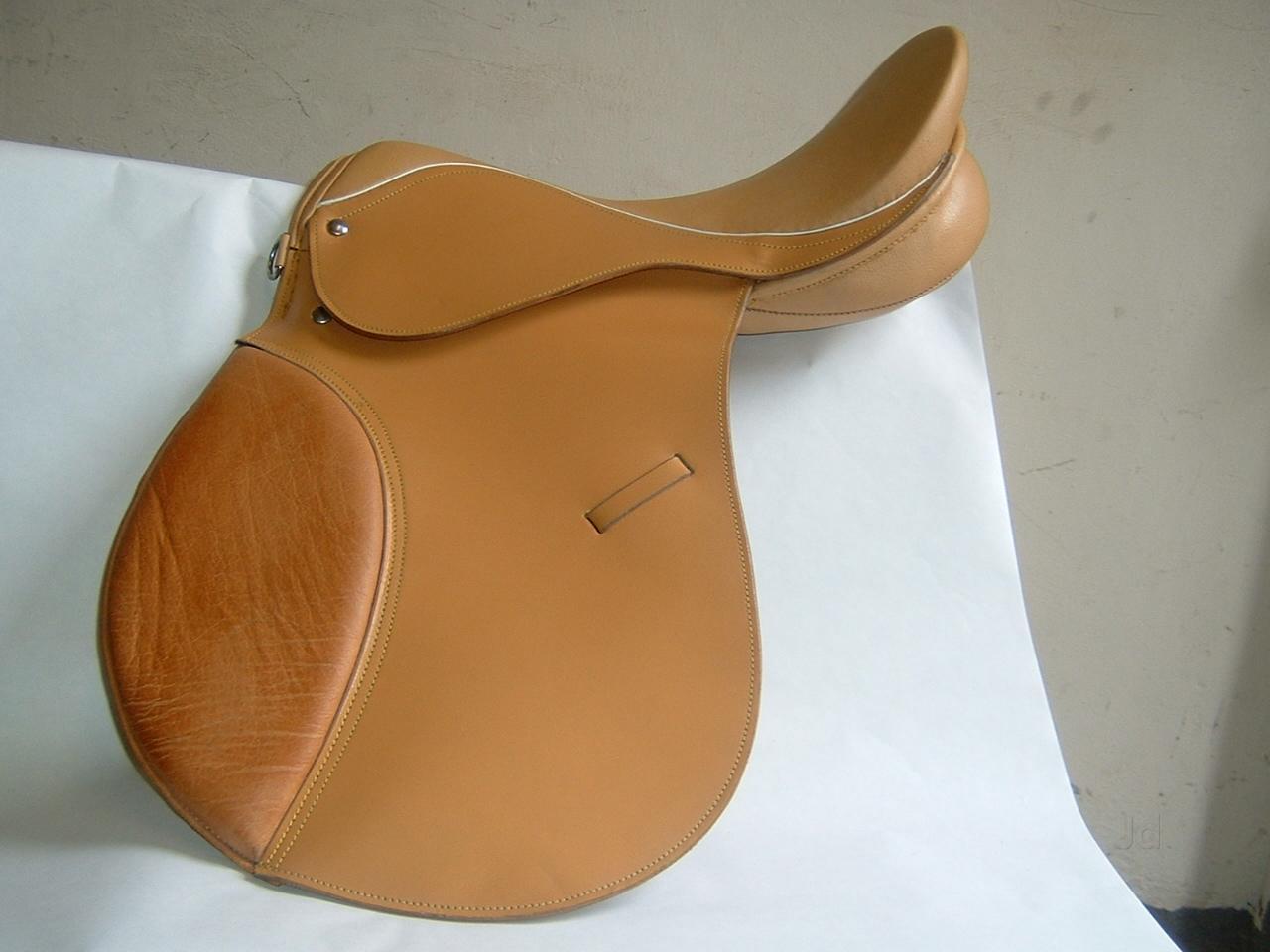
The craft of Kanpur saddlery — from hand-stitching and tooling to finished product. Every piece built to export standard.
India's Third Largest Export Industry
India exports over US$145 million in saddlery and harness annually — and virtually all of it comes from Kanpur. Saddlery Masters ships into the heart of that trade.
Nadeem
Nadeem operates Saddlery Masters as a sole proprietorship — the classic structure of Kanpur's leather export industry, where the owner is present in the workshop, knows every product, and takes personal responsibility for every shipment. That is not a limitation. It is a feature.
With a workforce of 201–500 people and an annual turnover of Rs. 10–25 Crore (approximately US$2–5 million), Saddlery Masters is a mid-sized export house by Kanpur standards — large enough to fulfil consistent international orders, small enough that quality control is personal. Nadeem knows his buyers. His buyers know him.
The workshop is located at No. 113, Pokharpur, Jajmau — the same district where the first leather factories opened in 1902. Nadeem is not just running a business. He is the current custodian of a craft that has been practised on these streets for over a century.
"Kanpur is the only centre in India which produces the harness and saddlery goods. Almost all the units operating in Kanpur are 100% export-oriented."
— Council for Leather Exports, Government of India
Order from Saddlery Masters
Saddlery Masters exports worldwide. Whether you are a retailer, a riding school, or an individual buyer looking for premium English saddles or German harness at competitive prices, Nadeem's workshop can fulfil your order.
No. 113, Pokharpur
Jajmau, Kanpur 208010
Uttar Pradesh, India
English Saddles · German Harness · Breastplate Harness · Bridles · Horse Rugs · Pet Accessories
Saddlery Masters
"Nadeem is the kind of friend who never talks about what he does — he just does it. Quietly, consistently, at a level that would surprise most people who have never thought about where their saddle came from. Jajmau is not on any tourist map. But if you ride horses anywhere in the world, there is a good chance that some piece of leather in your tack room was made within a few kilometres of where Nadeem works every day. That is worth celebrating. Best Day Ever."
— Gerald, Just Gerald Magazine
Share This
Spread the word