
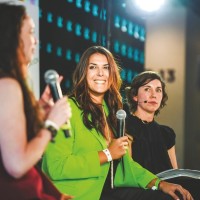
Carissa Campeotto
Founder, FoodRevolution · Co-Founder, Trendi
She invested her last $10,000 and changed the food system. This is the story of resilience, reinvention, and the slow work of building something that matters.

"I woke up in a hospital and thought: this is it. This is the moment. Either I figure out what I actually want to build — or I keep running until there's nothing left to run on."
There is a particular kind of founder who does not start with a business plan. They start with a problem they cannot stop thinking about — and they keep going long after the sensible people have gone home. Carissa Campeotto is that kind of founder.
Today she runs FoodRevolution, a platform dedicated to building sustainable food systems by upcycling surplus and valorizing waste. Before that, she co-founded Trendi — a company that deploys robotics and mobile processing units to rescue misfit produce at the farm gate and turn it into shelf-stable, nutritious food. Before that, she ran a juice bar in Vancouver. And before that, she was in a hospital bed, having been diagnosed with Bipolar Disorder after a manic episode brought on by sixteen-hour days and twelve-plus hours of screen time, six days a week.
That hospitalisation, she will tell you, was the best thing that ever happened to her. "A second chance on a silver platter," she calls it. It is the kind of statement that only makes sense once you have heard the whole story.
The Juice Bar and the 40,000 Kilos
It started in January 2016. Carissa was running a juice and smoothie shop and struggling with the constant fluctuation in produce prices. A few months later, she met Christine Couvelier — now President of Trendi — who suggested a simple idea: use ugly fruits and vegetables. The ones the supermarkets reject. The ones that never make it to the shelf because they are the wrong shape, the wrong size, or the wrong shade of orange.
Within a year, Carissa had saved 40,000 kilos of misfit produce and reduced her costs by 40%. The economics were undeniable. The problem, she realised, was much bigger than a juice bar.
She pivoted to marketing — managing over ten brands at agencies, working the kind of hours that look impressive on a LinkedIn profile and feel catastrophic on a human body. "Her brain had enough and it broke," is how the Trendi team later described it. Carissa is more direct: "I was running on fumes and I didn't know it."
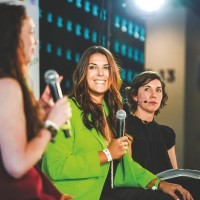
Carissa Campeotto · Founder, FoodRevolution
"I woke up in a hospital and found out I had been diagnosed with Bipolar Disorder. The first six months were the hardest of my life. But it was also my second chance on a silver platter."
The Seawall, the Napkin, and the Last $10,000
In September 2018, Carissa met Craig McIntosh. They were walking along the Vancouver seawall when Craig turned to her and said: "Did you know that there's 1.2 billion tonnes of edible food waste on this planet and 800 million people are hungry every day of that year?" Carissa stopped walking. "You understand food waste and upcycling too?" Trendi was born that day.
The first product was The Smoothie Machine — the world's first fully automated, made-to-order smoothie bar designed to serve affordable, nutritious food in place of vending machine junk. It was projected to launch in February 2020. Then COVID-19 arrived and stopped it cold.
Rather than fold, Carissa and Craig pivoted to BioTrim: a shipping container converted into a mobile processing unit that uses drying techniques to transform misfit produce into food-grade powders and purees at the source — capturing up to 97% of nutritional value. Get the food processed before it spoils. Get it to the people who need it. Simple in principle. Extraordinarily difficult in practice.
With their last $10,000, Carissa and Craig invested in finding an investor. One month later, they found one. By March 2021, Trendi was named a semi-finalist in the Government of Canada's Food Waste Reduction Challenge. By June 2021, they had raised $2.25 million in seed funding.
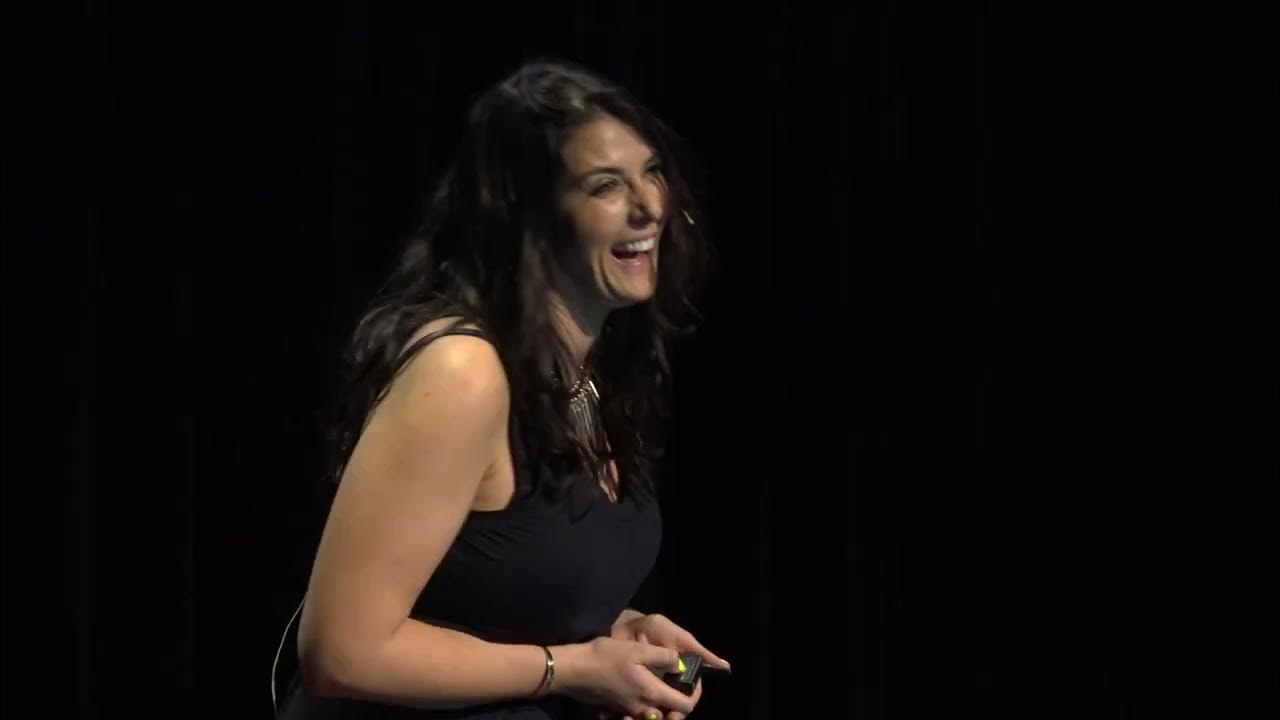
TEDxSFU, 2022 — "How I Found My Bloom in a World That Grows Garbage"
What followed was a run of recognition that reads like a startup fairy tale — except it was built on two people, a napkin, and a problem that the world had been ignoring for decades. In 2022 alone: Embedded Technology Convention's Innovative Product of the Year in New York; the 2BUnicorn for Food Sustainability Award at the 75th Festival de Cannes (alongside Aleph Farms); Restaurants Canada Show's Innovation Award; first place at the LG Nova Innovation Festival in San Francisco, with a USD $15,000 cheque. In 2023, Canadian Business Magazine named Trendi Best Food Waste Innovator.
Carissa delivered a TEDx talk at SFU. She spoke at the Food for Future Summit in Dubai. She stepped onto a farm in Ecuador's Province of Esmeraldas and watched women running an operation that had created jobs in a market where work was nearly impossible to find. She partnered with them. She brought their rescued produce into Trendi's supply chain. She understood, standing in that field, exactly how small the world is and how large the opportunity.
FoodRevolution: Building the System, Not Just the Product
After Trendi grew to 50+ employees, Carissa stepped back from day-to-day operations to focus on something larger: FoodRevolution. Not a single product. Not a single company. A platform — for educating, advocating, and building models that make sustainable food both possible and profitable.
FoodRevolution runs farm-level recovery systems, connects founders with investors through Pitch Day events, and advocates for food as a basic human right. In December 2025, Carissa spoke at the Sustainable Finance World Forum, joining global leaders to explore how finance can regenerate food systems. In February 2026, she ran FoodRevolution Pitch Day — bringing together founders, investors, and industry leaders to explore what is shaping the future of sustainable food.
Her 2025 year-end reflection was characteristically clear: "This year wasn't about chasing trends. It was about listening. Building. Testing what actually works. And accepting that real system change is slower — and more meaningful — than headlines."
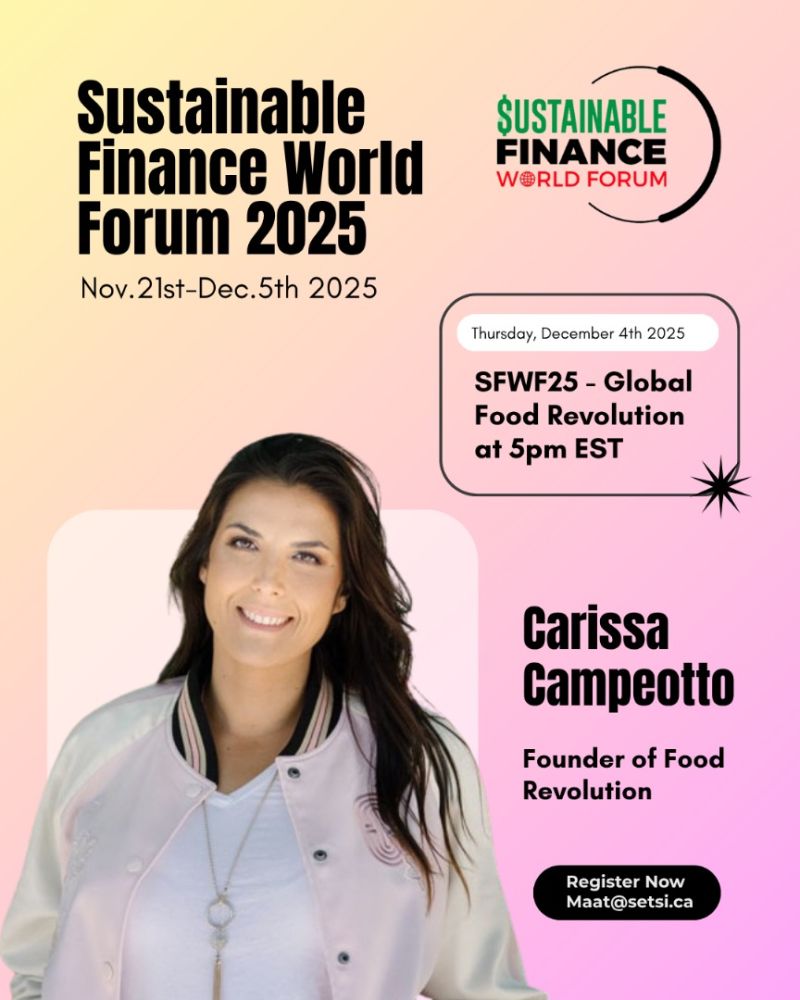
Sustainable Finance World Forum 2025 · December 2025
Six Things Carissa Campeotto Knows That Most Founders Don't
Burnout is a signal, not a failure
Working sixteen-hour days, six days a week, with twelve-plus hours of screen time — Carissa's brain, as she puts it, "had enough and it broke." The hospitalisation that followed was devastating. It was also, she says, "a second chance on a silver platter." The lesson: the system that rewards relentless output is the same system that produces food waste. Both need redesigning.
The right partner finds you on a walk
Trendi was born on the Vancouver seawall. Craig McIntosh turned to Carissa and said: "Did you know there's 1.2 billion tonnes of edible food waste on this planet and 800 million people are hungry every day?" She stopped walking. That conversation became a company. The lesson: the best partnerships begin with a shared problem, not a shared pitch deck.
Bet everything on the right moment
With their last $10,000, Carissa and Craig invested in finding an investor. One month later, they found one. By June 2021, Trendi had raised $2.25 million in seed funding. The lesson: conviction is not recklessness. Knowing when to go all-in is a skill, not a gamble.
COVID kills the plan, not the mission
The Smoothie Machine was projected to launch in February 2020. The pandemic stopped it cold. Instead of folding, Carissa and Craig pivoted to BioTrim — a shipping container turned mobile processing unit that captures up to 97% of a fruit or vegetable's nutritional value as powder at the source. The lesson: the mission outlasts the product.
Real change is slower than headlines
After Trendi grew to 50+ employees and won awards on three continents, Carissa stepped back from day-to-day operations to build FoodRevolution — a broader platform for sustainable food systems. Her 2025 year-end reflection said it clearly: "This year wasn't about chasing trends. It was about listening. Building. Testing what actually works. And accepting that real system change is slower — and more meaningful — than headlines."
Food is trust, dignity, and stability
Standing in a field in Ecuador's Province of Esmeraldas, watching women pick and pack produce in a market where work was nearly impossible to find, Carissa understood the full scope of what she was building. FoodRevolution's mission — food as a right, not a privilege — is not a slogan. It is the operating principle of every decision she makes.
Carissa reached out because she is interested in Gerald's story. That is the kind of thing that happens when two people are both trying to figure out how to do something that has not been done before. She is building a food system. Gerald is building a magazine. Both are, at their core, about paying attention to things that deserve more attention than they get.
The award she won — the one that brought her to our attention — is almost beside the point. What matters is that she invested her last $10,000 in a problem she could not stop thinking about, and she kept going. That is the definition of a best day, stretched across a decade.